Inside EAMS: How FL Technics turns aging aviation assets into market opportunities
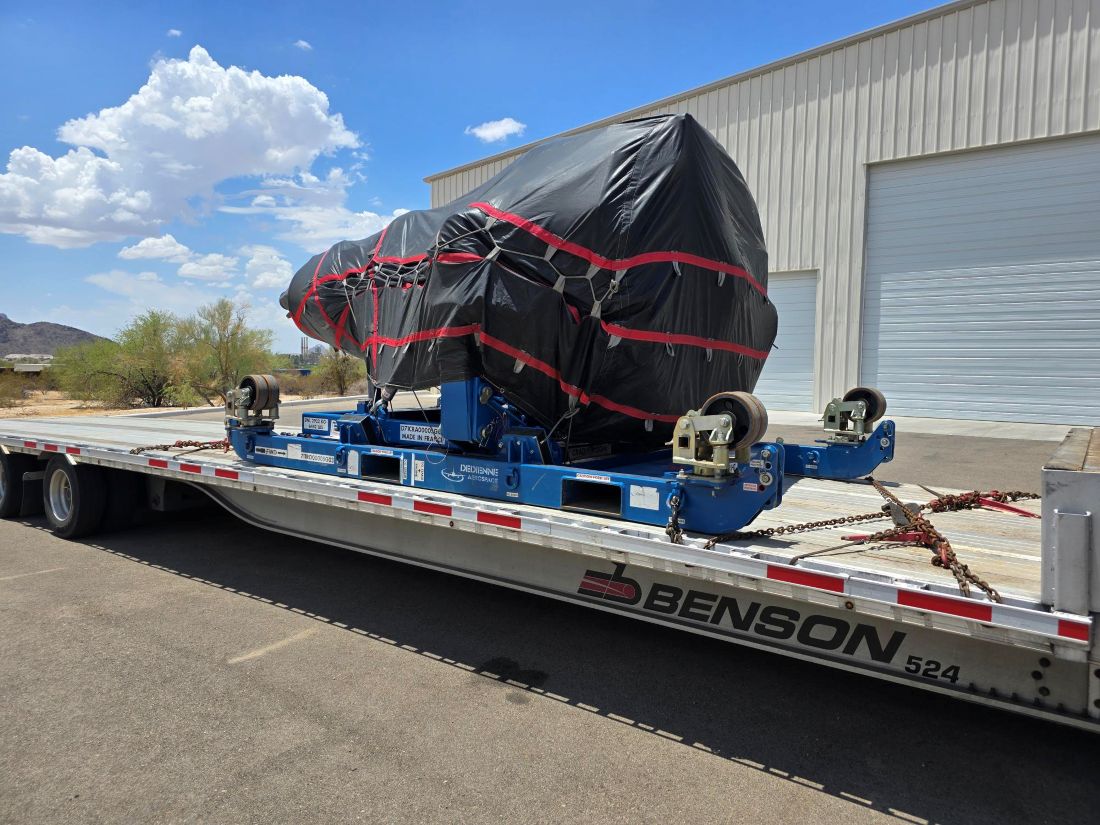
 As airlines continue to face engine shortages and extended repair timelines, demand for serviceable material is rising, pushing the market to increasingly rely on dismantled aircraft as a faster and more cost-effective source of components.
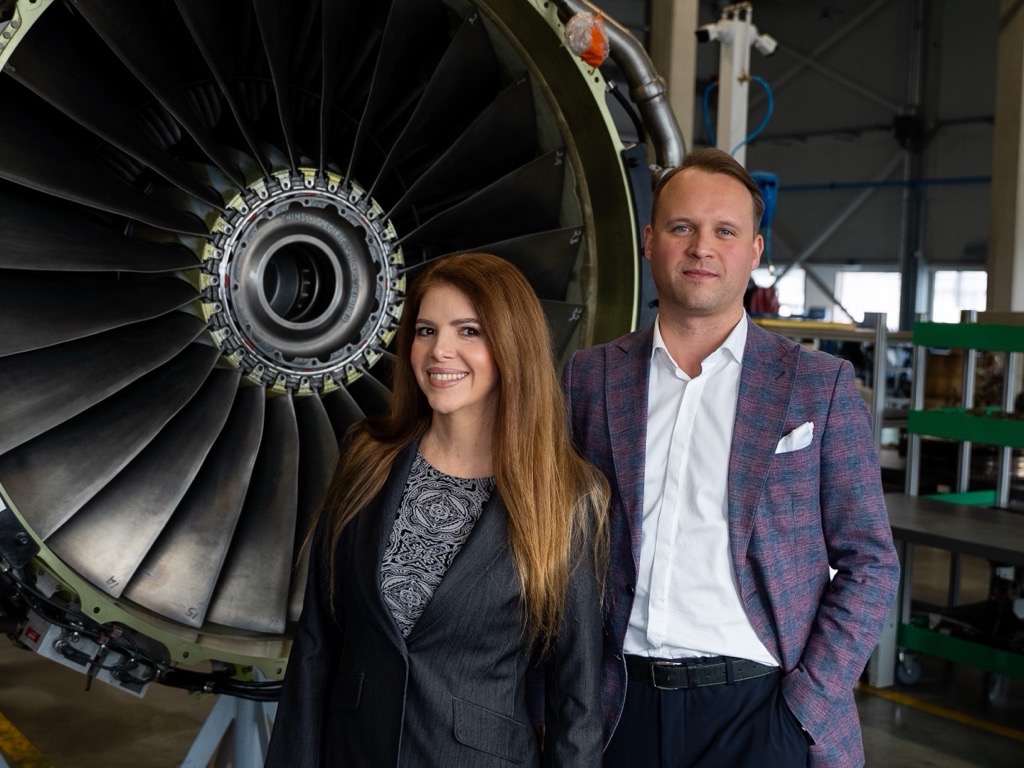
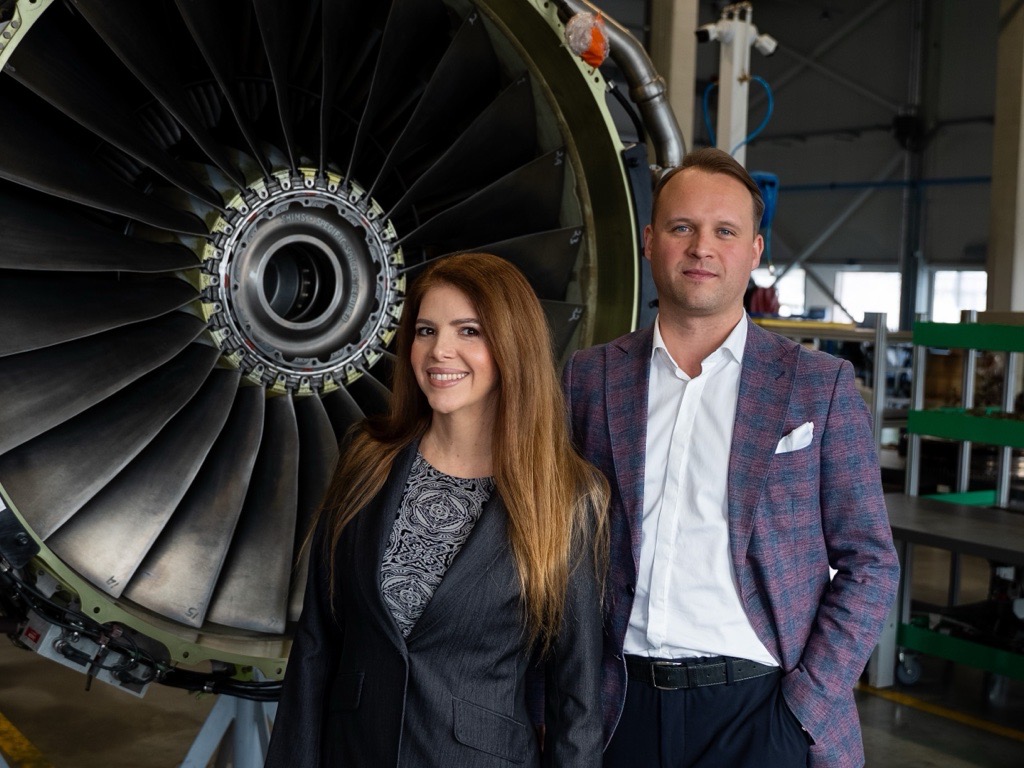
At FL Technics, Adriana Wheeler, SVP of Business Development, and Modestas Valiusevicius, SVP of Strategic Asset Purchasing, focus on sourcing, evaluating, and returning assets to service, as well as generating material through teardowns, helping operators reduce downtime and bypass lengthy repair cycles.
Understanding EAMS
Within FL Technics, Engines, Airframes & Materials Services (EAMS) functions as a one-stop shop that handles all aspects of spare parts trading, repairs, and engine management. The team focuses on supplying materials at a lower cost and shorter lead times compared to new OEM parts.
This is achieved through a structured process: acquiring airframes and engines, disassembling them, recertifying the components, and returning them to the market as serviceable material, helping airlines lower overall aircraft ownership costs. In parallel, inventory is continuously replenished through the sourcing of additional parts and material packages, ensuring consistent availability.
According to SNS Insider, the global used serviceable material market is projected to reach $10.86 billion by 2033, growing at a CAGR of 4.51%. This growth is driven by increasing aircraft retirements and the adoption of USM as part of airlines’ cost-reduction and sustainability strategies.
What is asset trading?
The definition of an “asset” varies across the industry. At FL Technics, the term is used broadly and includes airframes, engines (and major engine modules), landing gear, and auxiliary power units (APUs). Once an airframe is acquired and disassembled, these high-value assemblies become individual assets in their own right.
Assets deemed unserviceable can hold significant value. When FL Technics purchases unserviceable engines, for example, it develops tailored solutions to repair and return them to service at lower cost, significantly extending their lifecycle.
“We receive a constant flow of opportunities, which are then assessed by our evaluation team. They review each case in detail to determine the asset’s condition, potential value, and the work required to return it to service. This also includes assessing any additional equipment that may need repair or replacement,” notes Mr. Valiusevicius.
The asset lifecycle: acquisition to market
EAMS projects are inherently complex and long-term in nature. Success depends not only on technical expertise but also on strong relationships across the industry. At FL Technics, this involves close collaboration with lessors, airlines, and engine and asset management companies, supported by ongoing engagement through trade shows and direct client interaction.
“We have developed relationships with all major leasing companies, airlines, and asset management companies and regularly receive RFPs (Requests for Proposal) for whole aircraft, engine, or airframe acquisitions. We conduct a detailed assessment of each opportunity, evaluating the asset’s current condition, required work scope, and investment needed before submitting a bid,” explains Ms. Wheeler.
Once an asset is awarded, the process transitions into execution. FL Technics’ in-house legal team supports transaction efficiency, while technical teams conduct comprehensive reviews of records, certifications, and traceability.
All repair work is performed at FAA-and-EASA certified shops, with strict requirements for serviceability, certification, and full traceability of all components.
“One of the key problems that this model solves is time. Sending an engine for repair can be both lengthy and costly. For mid-life engines, we can often provide a serviceable solution that meets requirements at reduced cost and within a shorter timeframe,” says Ms. Wheeler.
This value proposition is becoming increasingly relevant. According to the latest forecast by Aviation Week, engine spending is projected to account for 53% of total commercial aftermarket revenue in 2026 (up from 46% just two years prior), as rising parts costs and supply chain pressure push maintenance expenditure steadily higher.
EAMS risk management
Material availability can be unpredictable. In some cases, it takes longer to find the right module with the required configuration and remaining cycles, without over-building.
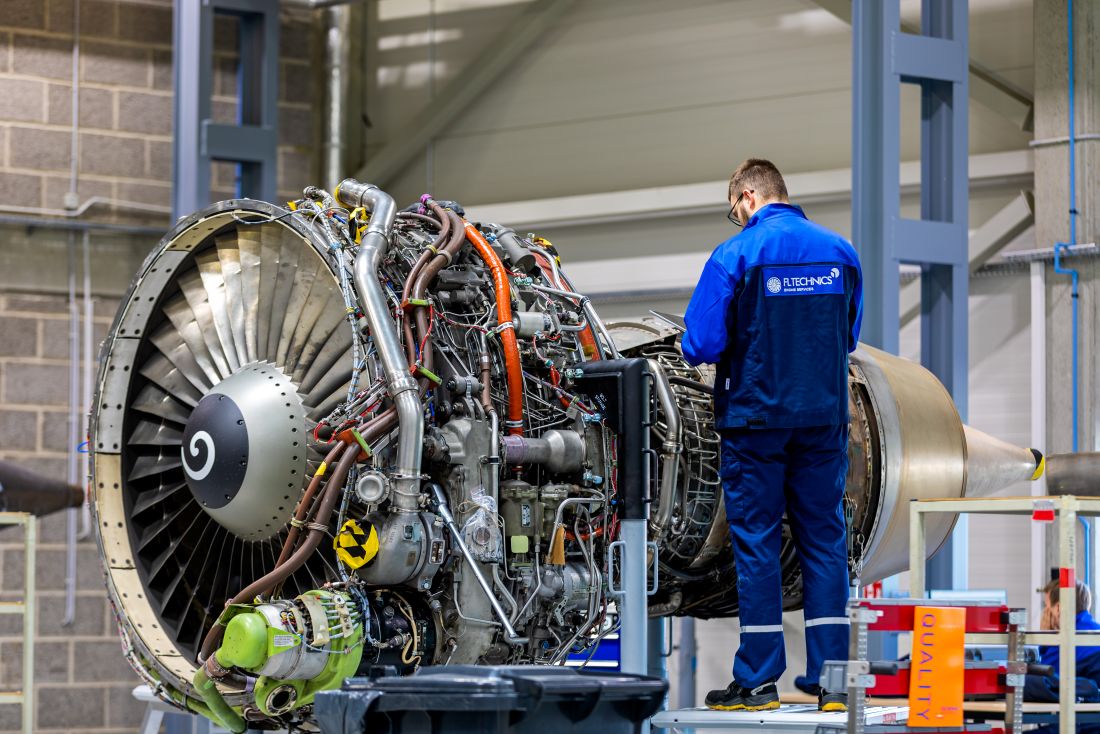
To manage these challenges, FL Technics relies on clear internal standards, experienced personnel and vertically integrated capabilities, including ownership of its own engine shop, FL Technics Engine Services. This integration enables better cost control, reduced lead times, and greater operational flexibility.
“We can secure maintenance slots in advance for assets arriving within weeks. This would be much harder if we had to rely on third-party service providers. There would simply be too many uncertainties. This gives us precious time and flexibility when we are searching materials,” says Mr. Valiusevicius.